
17.1. |
If/When + present simple, present simple |
|
 |
|
PRESENTATION |
Use if/when + present simple, present simple to talk about facts or things which are generally true.
| if-clause | main clause | ||||
| ↓ | ↓ | ||||
|
, |
|
|||
|
This is sometimes called the zero conditional. |
if or when?
In sentences about general facts, there is little or no difference in meaning between if or when.
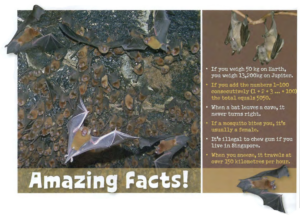
If a mosquito bites you, it’s usually a female. = When a mosquito bites you, it’s usually a female.
(See also note on if and when in Unit 17.3.)
Punctuation
When the sentence begins with the if-clause, put a comma after the if clause:
If you heat water to 100 degrees, it boils.
When the sentence begins with the main clause, don’t use a comma:
Water boils if you heat it to 100 degrees.