|
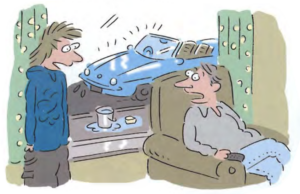 |
| Boy: |
Dad, I’m going to the cinema with Jon. |
| |
Can I have £20?
|
| Dad: |
Hmm. Have you cleaned the car? |
| Boy: |
Yes, I have. |
| Dad: |
Have you tidied your room? |
| Boy: |
Yes, I have. |
| Dad: |
Well, OK then. |
|
|
|
Use the present perfect to talk about a past action which has a present result.
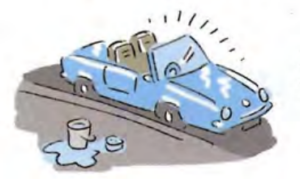 |
| I’ve cleaned the car. |
| = The car is clean now. |
|
|
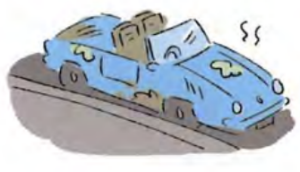 |
| I haven’t cleaned the car. |
| = The car is dirty now. |
|
You don’t say exactly when it happened. (don’t say I have cleaned the car yesterday.)
Form the present perfect with have/has + past participle.
| Affirmative and negative |
|
|
|
| g |
| h |
| cleaned the car. |
| tidied your room. |
|
|
|
|
|
|
|
|
|
| Past participle |
| Regular past participles end in -ed: borrow → borrowed.
Many verbs have irregular past participles: buy → bought, break → broken. |
| See more: Irregular verbs⇒ |
|
|
| Yes/No questions |
| Have |
|
| n |
| n |
| cleaned the car? |
| tidied your room? |
|
|
| Has |
|
|
|
|
| Short answers |
| Yes, |
I / you / we / they |
have. |
| he / she |
has. |
|
|
| No, |
I / you / we / they |
haven’t. |
| he / she |
hasn’t. |
|
|
|
|
|
| Daily events: do the washing-up, comb your hair, clean your shoes, clean your teeth, have a shower, iron your clothes, tidy your desk |
|
| |
|
EXERCISES⇒
